
By Charley Stevenson
🔊 Listen to this story
5 min. 29 sec.
In many organizations, sustainability and capital planning are treated as separate conversations. One group focuses on environmental commitments, carbon reduction goals, and long-term stewardship. Another focuses on budgets, schedules, maintenance, and operational performance. Both groups want successful projects. Yet they often measure success differently.
That tension has shaped countless conversations across universities, corporations, healthcare systems, and public institutions. Sustainability teams advocate for ambitious goals. Capital project teams ask practical questions about cost, risk, constructability, and long-term operations.
Neither side is wrong.
The challenge is finding projects where both sets of priorities align.
More Than a Residence Hall
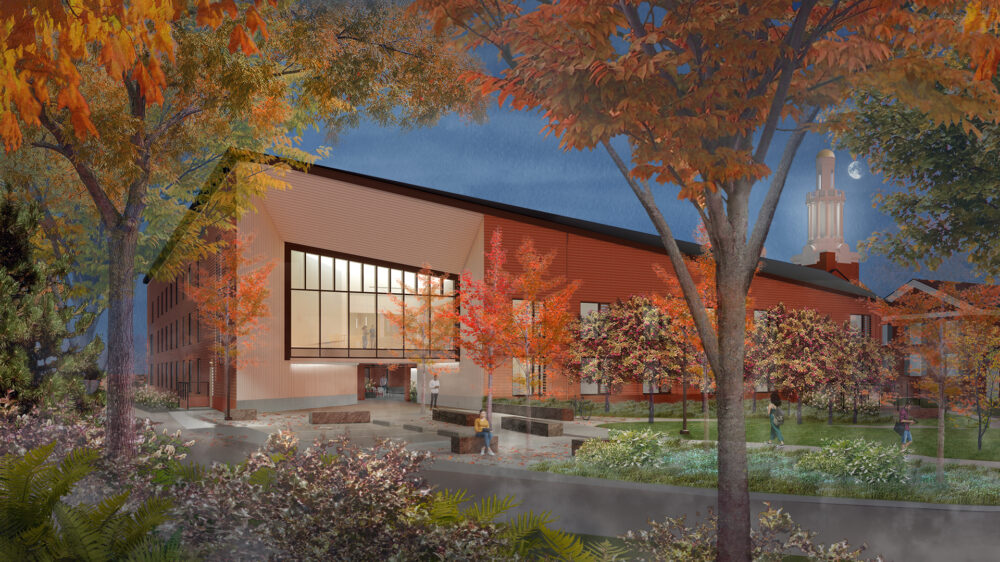
The Living Village offers a compelling example of what that alignment can look like. As part of Yale Divinity School, the project reflects an institution attempting to align its physical environment with its stated values.
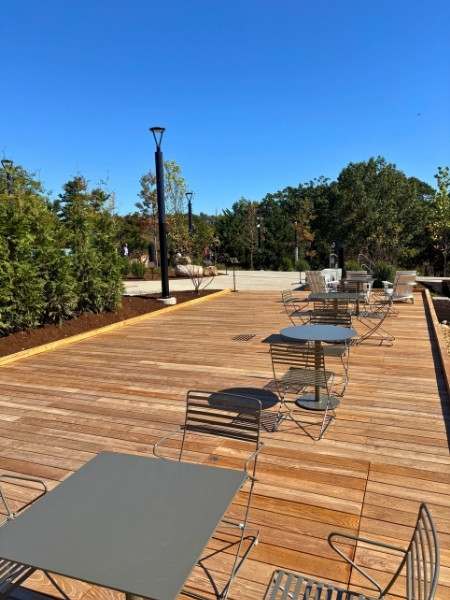
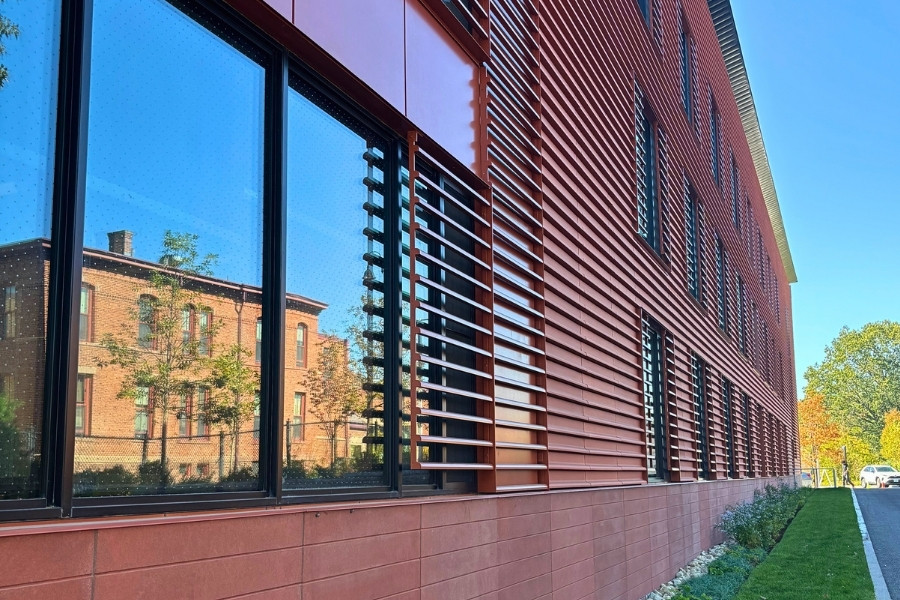
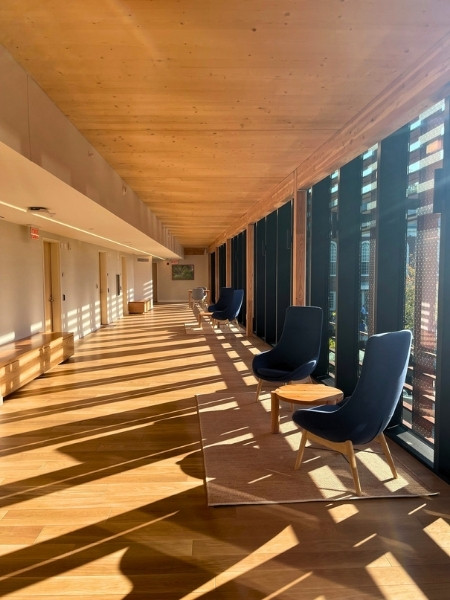
At approximately $11.5 million, the 51-room graduate student housing project was never intended to be just another residence hall. More than a decade in development, the project was conceived as housing, educational infrastructure, and environmental stewardship working toward the same outcome. Rather than separating those goals, the project team sought ways they could reinforce one another.
The result was a project designed to generate more energy than it consumes. At that point, the question is no longer how little the building uses, but what it gives back.
Most discussions about sustainable buildings begin with a simple premise: use fewer resources and create less waste.
What the Living Village Makes Possible
The Living Village was designed around a different question: What happens when a building becomes an asset that contributes resources rather than consuming them?
According to Yale’s published information, the project is expected to generate between 110 and 115 percent of its annual energy demand. In practical terms, the building is designed to produce more energy than it requires to operate, allowing excess generation to support other campus needs.
Most buildings are evaluated by how efficiently they consume resources. This project invites a different question: What happens when a building begins contributing resources back to the institution it serves? Viewed through a sustainability lens, this is a significant achievement. Viewed through a capital planning lens, it is something else entirely. It’s infrastructure.
Universities routinely invest in assets that provide long-term value. Central plants, utility systems, transportation networks, and technology upgrades are all justified because they support institutional operations over decades. A building that continuously offsets utility costs belongs in that same conversation. The initial investment is no longer evaluated solely through construction cost. It is evaluated through performance, resilience, operating expenses, and long-term contribution to the institution.
This is where the traditional divide between sustainability and capital planning begins to disappear.
When sustainability goals are framed solely as environmental objectives, they can appear disconnected from operational realities. When those same goals are translated into measurable outcomes—reduced operating costs, improved resilience, energy production, occupant well-being, and long-term asset value—they become part of the same business case capital project teams evaluate every day. The conversation shifts from “Should we spend more to be sustainable?” to “What outcomes are we purchasing with this investment?”
The Living Village demonstrates that sustainability and fiscal responsibility do not have to compete for influence. In the right project, they reinforce one another. A building that lowers future utility demands, contributes energy back to campus operations, provides student housing, supports institutional values, and serves as a learning tool creates value across multiple dimensions simultaneously.
The most successful sustainability initiatives are rarely the ones that ask organizations to choose between environmental goals and operational goals. They are the ones that reveal where those goals already overlap. When project teams understand the outcomes they are trying to create—and when those outcomes are measured consistently—sustainability stops being an additional requirement. It becomes part of how organizations define performance.
That may be the most important contribution projects like the Living Village can make—not simply to a campus, but to the broader conversation about what buildings can be asked to do.
Charley Stevenson, LFA, LEED AP, Founder. With the Materially Better team, Charley has developed processes and software to integrate better materials selections into all project types and to transform the market as quickly and easily as possible.
