
By Charley Stevenson
🔊 Listen to thIS story
4 min. 58 sec.
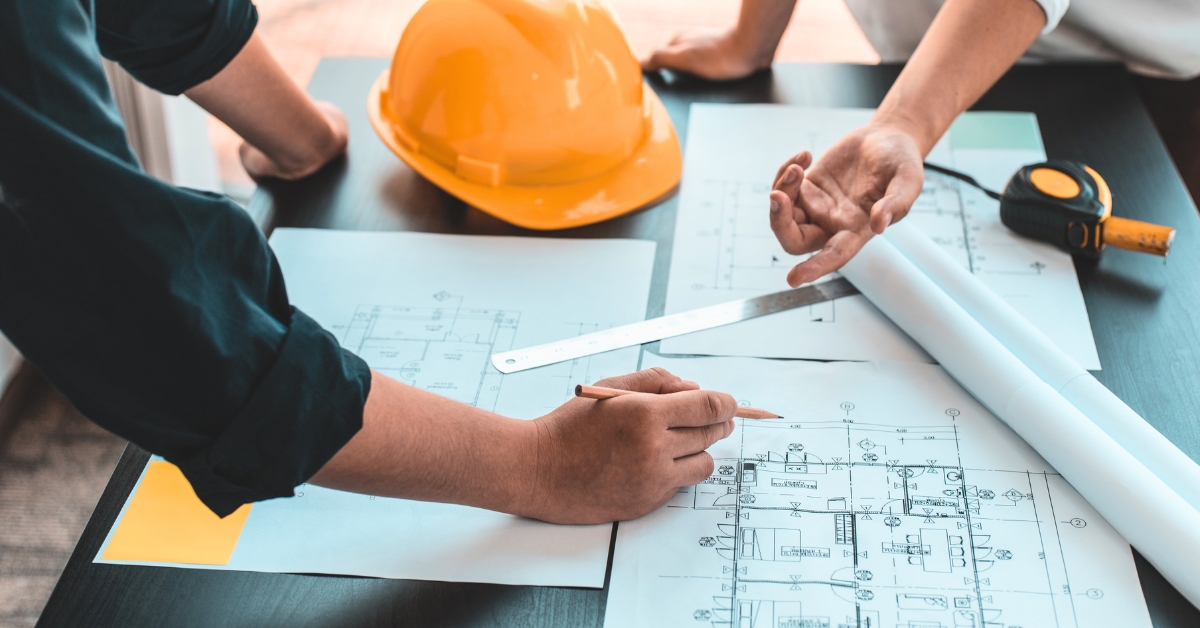
“If the map doesn’t agree with the ground, the map is wrong.” Psychiatrist Gordon Livingston used this phrase to cut through the tension between our carefully drawn plans and life’s unpredictable realities. Buildings face the same challenge: design intent only matters when it meets the reality of construction.
The Map: Aspirations on Paper
Design teams spend months—or years—crafting drawings and specifications that balance durability, performance, aesthetics, and sustainability. These documents are the maps, setting the direction for your project. But, a map remains abstract until it meets the ground, where materials, installation conditions, and trade preferences determine outcomes.
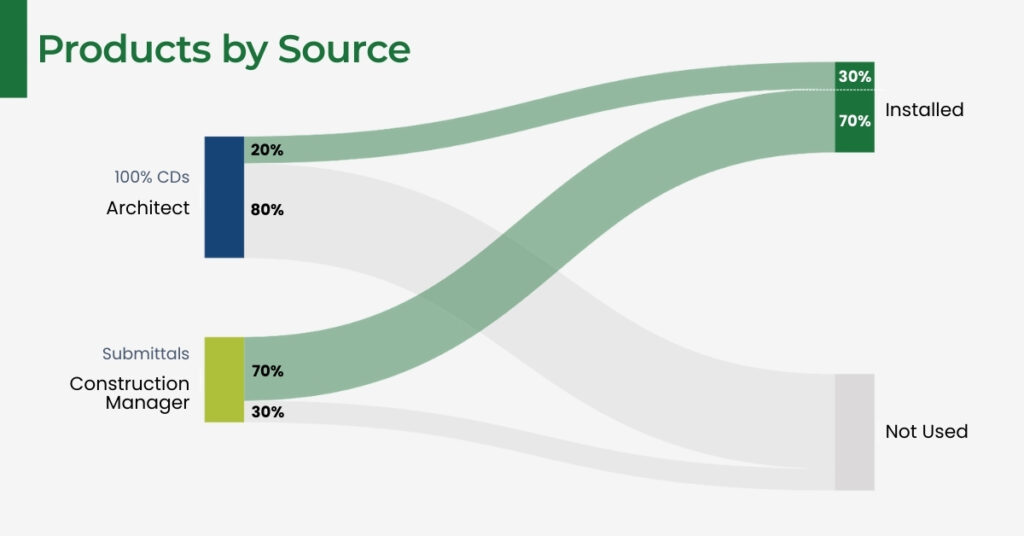
In practice, nearly 70% of building products are selected on site. Trade partners make countless decisions in real time, balancing availability, schedule, and practicality. This delegation is part of how complex projects move forward—but without clear materials guidance, it can blur accountability and weaken project goal outcomes.
The Ground: Decisions in the Field
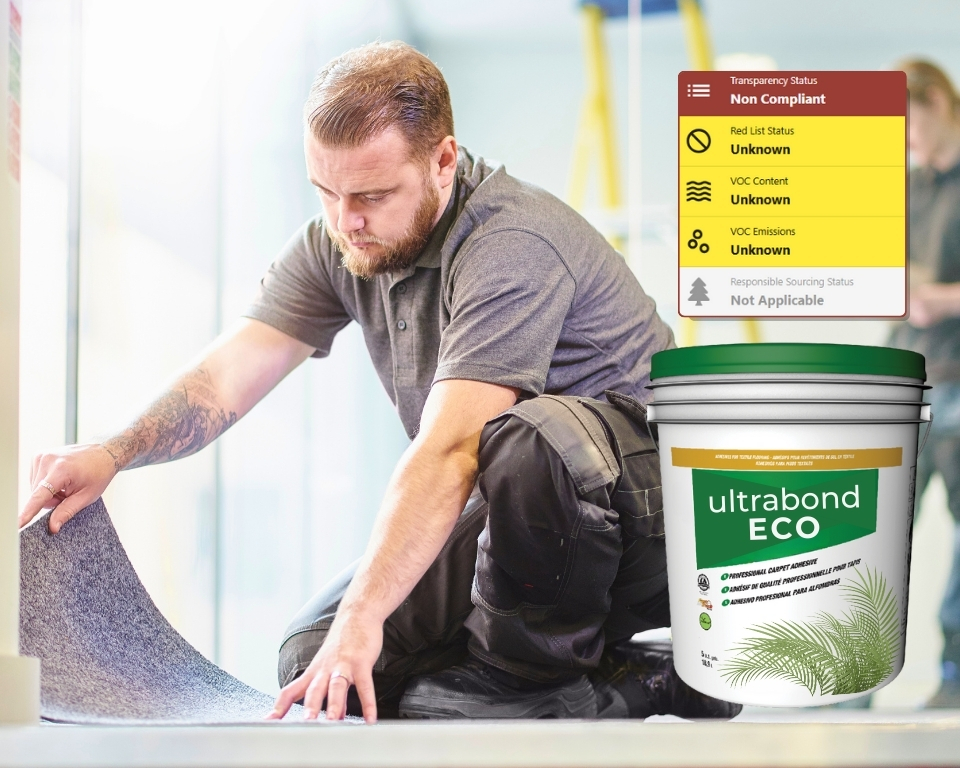
Field decisions—adhesives, primers, fasteners, sealants—may seem minor, but they ripple outward. A carpet tile may meet every sustainability criterion on paper, yet a conventional adhesive can off-gas VOCs for months or years, undermining indoor air quality. Low-VOC paint loses ground if paired with a primer containing hidden toxins.
By contrast, wood flooring installed with mechanical fasteners carries a very different story. Beyond avoiding chemical off-gassing, wood itself absorbs and stores carbon during a tree’s growth—and, to a lesser extent, also removes carbon from the air inside a home after installation—acting as a carbon sink throughout its service life. Choosing FSC-certified, regeneratively grown and sustainably sourced wood, further supports responsible forest management and reduces the carbon footprint associated with production and use.

Two flooring systems may both meet performance requirements for durability and function, but the unseen decisions during installation determine whether they quietly burden the environment with health risks or actively contribute to healthier outcomes.
Aligning Map and Ground
Design intent and field reality often speak different languages. An architect specifying a “low-emitting adhesive” may leave the installer uncertain: how low is “low enough,” which certifications apply, and what trade-offs exist with bond strength or availability? Owners seeking “healthy spaces” may not have the technical criteria translated into actionable field guidance.
This gap is compounded by evolving standards, certifications, and stakeholder expectations. Products once considered green may be phased out; new chemical regulations or performance criteria require continuous learning. Without clear communication, trade partners can face difficulty meeting project sustainability goals while keeping pace to meet project schedules.
Translating Intent into Actionable Decisions
At Materially Better, our work is about translation. We take the complexity of materials certifications and product data and align it with the Common Materials Framework—so that owners, designers, and trade partners alike have clear, practical guidance they can act on. The goal is simple: to keep the intentions drawn on the map connected to the choices made on the ground—so what begins as vision becomes reality.
That’s why our consulting is integral to the process. Certifications and product data alone don’t guarantee better outcomes—they need interpretation, context, and alignment across teams. We act as the connector, making sure that robust, vetted product data informs decisions from design through construction, so specifications hold true in submittals and ultimately in what gets built. In that continuity lies the real value: projects that not only meet today’s goals but build momentum for healthier portfolios over time.
The Opportunity for Healthier Buildings
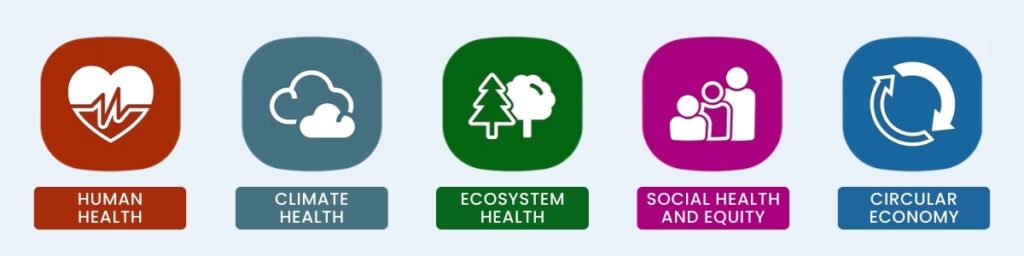
Buildings are the sum of countless decisions—some visible, some hidden. When design intent aligns with field decision-making, the result is more than a structure; it is a living environment that nurtures human health, reduces environmental impact, and models what sustainable construction can achieve.

The true measure of a building’s success isn’t just what it looks like, but what it enables: healthier people, thriving communities, and a legacy of sustainability that endures long after the last nail is driven.
Reference Sources:
- Livingston, G. (2004). Too Soon Old, Too Late Smart, Marlowe & Co.
- Collier, Alex. Why are Wood Floors Good for the Environment, From The Forest, 09/07/2023.
Charley Stevenson, LFA, LEED AP, Founder. With the Materially Better team, Charley has developed processes and software to integrate better materials selections into all project types and to transform the market as quickly and easily as possible.
