
Category: Perspectives
-
Though Ghost Chemicals Linger, Joining Forces for Safer Materials Is Crucial Today

Regulation lags behind reality. Here’s how AEC teams can close the gap—building transparency, accountability, and healthier materials now. Read more
-
Process Over Perfection: The Real Path to Healthier Buildings

Listen to Charley Stevenson and Matt Root discuss the path to healthier, more sustainable buildings and smarter materials transparency. Read more
-
From Inspiration to Implementation: The Next Phase of the Materials Movement

Turning vision into action, Materially Better empowers teams with expert healthier materials consulting—right here, right now. Read more
-
Bringing Order to Innovation: How AI and CSI MasterFormat Are Shaping Red2Green’s Future

Red2Green applies AI and CSI MasterFormat to organize healthier materials data with greater clarity, consistency, and confidence. Read more
-
Plastics: Versatile? Yes. Problematic? Also Yes.
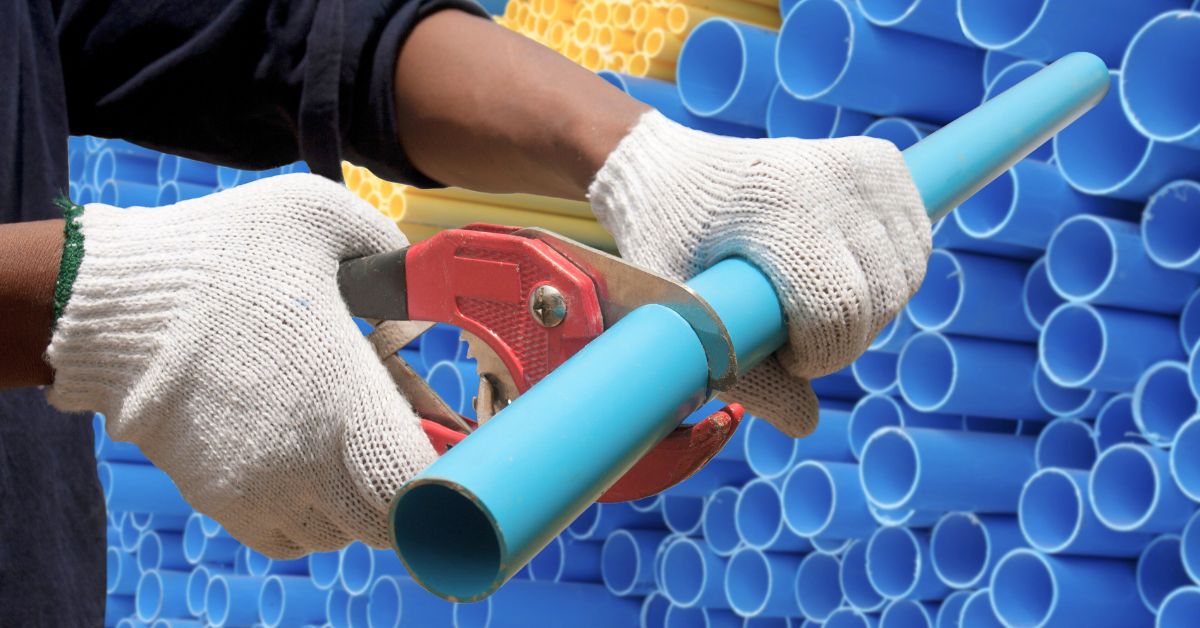
Learn how Red2Green helps teams reduce the impact of petroleum-based plastics in construction and select safer, healthier, and sustainable products. Read more
-
The Power of Making Better Choices: Reflections from Greenbuild
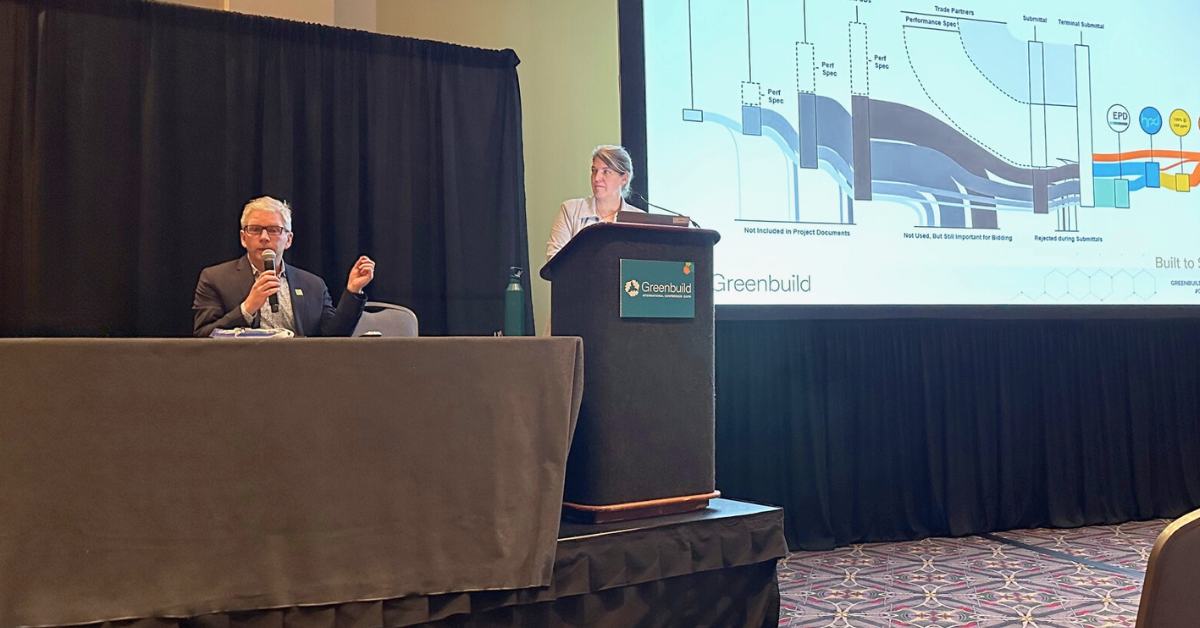
Charley Stevenson’s reflections from Greenbuild 2024 show how incremental, pragmatic choices in materials drive healthier, sustainable outcomes. Read more
-
Making It Easier: Collaborative Approaches for Better Choices

Collaborative advocacy and informed materials decisions help project teams move markets, align goals, and make better choices—today and over time. Read more
-
How do I Reduce Embodied Carbon in My Building?

Reducing embodied carbon starts with early design decisions. Learn how building size, structure, materials, and renovation choices shape climate impact. Read more
-
Why Are We So Sick—and What Can We Do?

As many of us age, some start to wonder why we don’t feel so good anymore. Millions experience chronically occurring diseases and conditions that have developed in us over our lifetimes. Health care costs alone, according to PLANSPONSOR magazine, are estimated at $285,000 for a retired couple! Read more
-
How Healthier Products Embody Social Justice

Healthier building products can reduce harm to fenceline communities, protect workers and occupants, and support environmental and social justice outcomes. Read more
