
By Margaret Kerswill
🔊 Listen to this story
8 min. 09 sec.
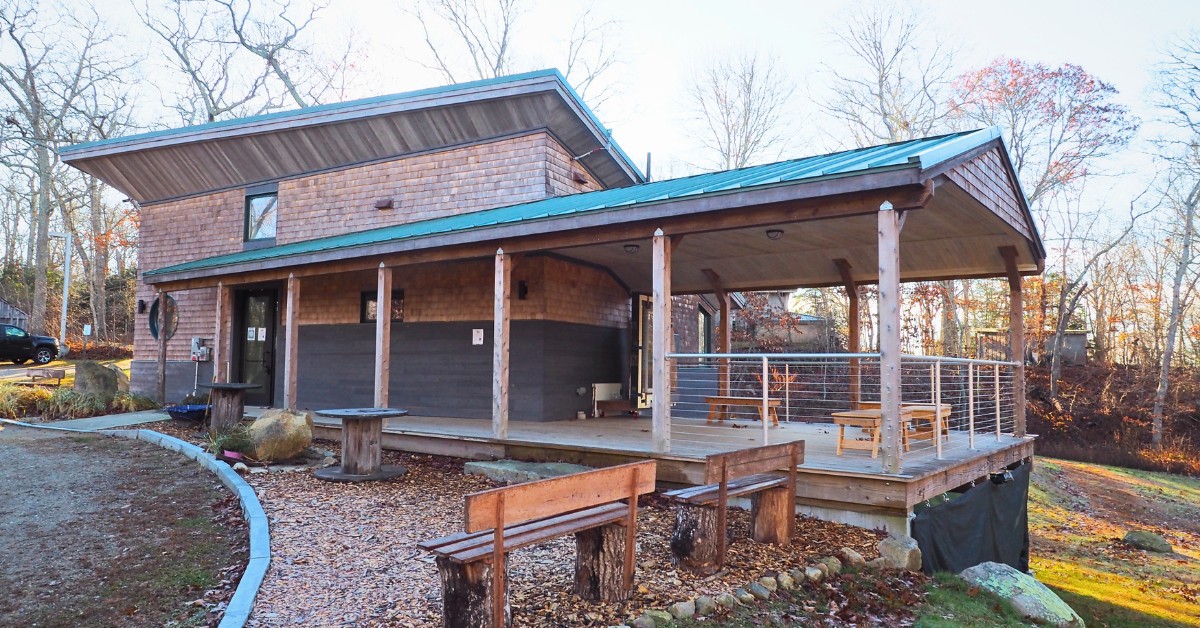
For more than 40 years, the Lloyd Center for the Environment has helped people understand the natural world by inviting them into it. Students explore wetlands by canoe. Families walk woodland trails. Visitors discover that environmental education isn’t confined to a classroom—it happens through experience.
When the organization began planning a new welcome center, it wasn’t simply replacing a building. It was creating another opportunity to advance its mission.
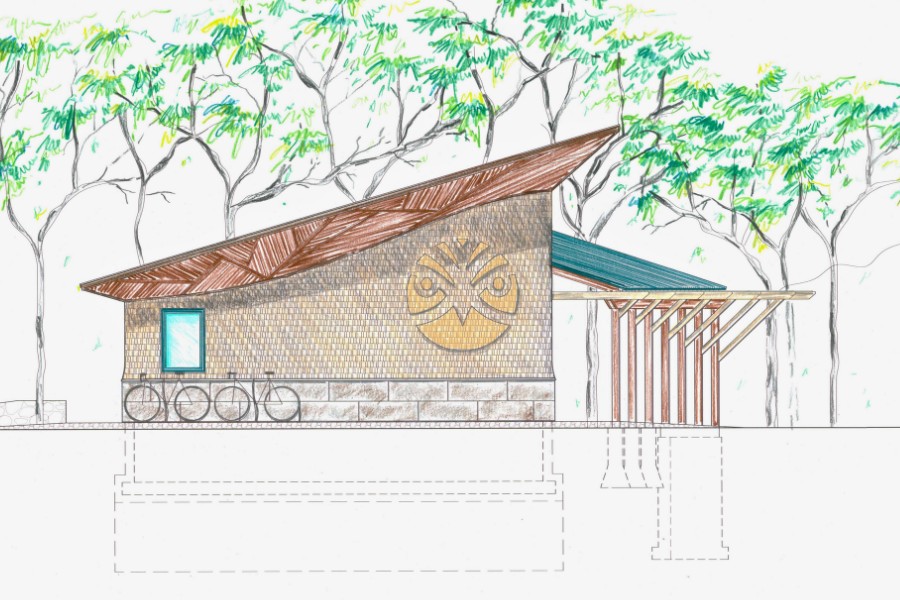
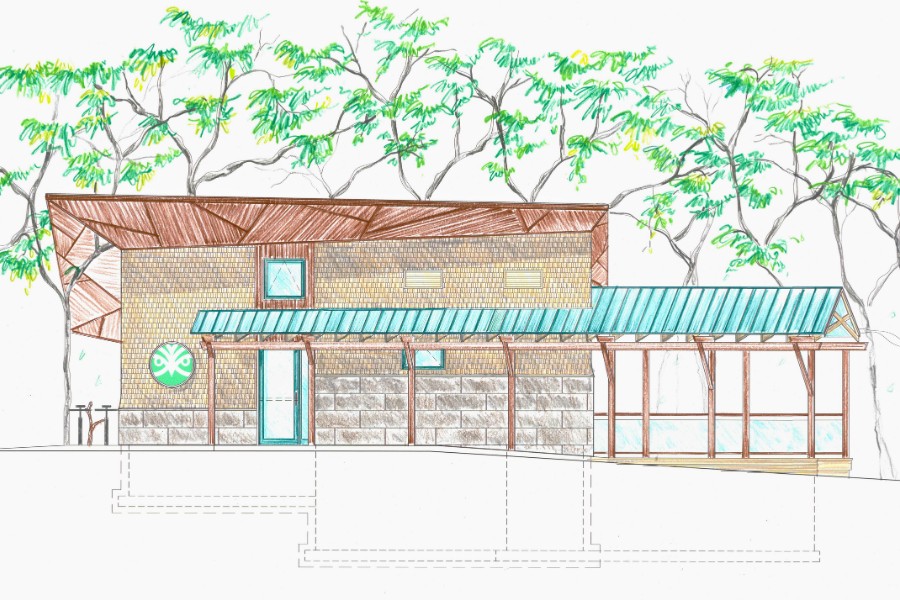
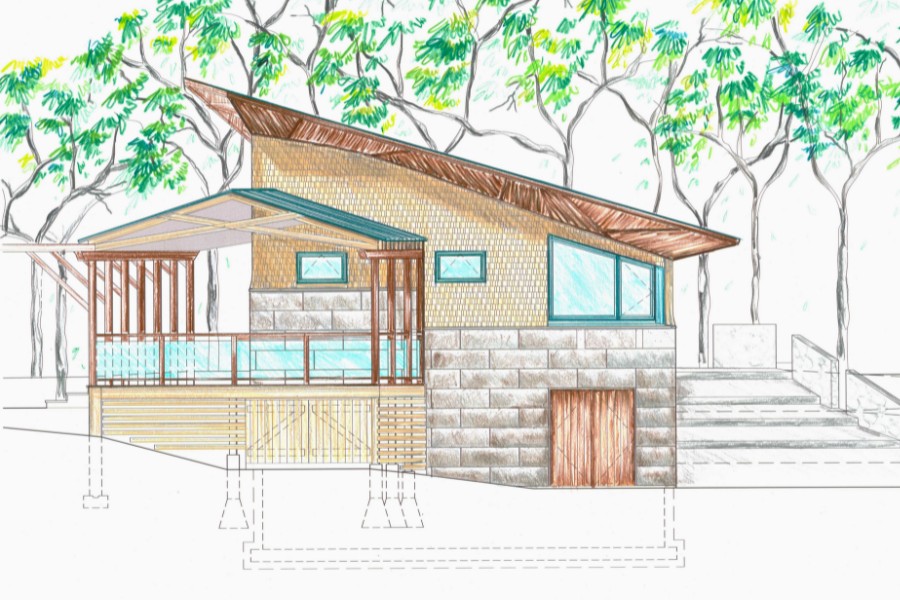
That opportunity took shape through architect Kathryn Duff of studio2sustain, who also served on the Lloyd Center’s Board of Directors. Inspired by the Living Building Challenge, Duff challenged the organization to think beyond constructing a new facility. What if every material, every system, and every design decision reflected the same environmental values the Lloyd Center had spent decades teaching?
For a nonprofit planning a modest, 990-square-foot welcome center, it was an ambitious vision.
Once the direction was established, however, the work shifted from imagining what was possible to making it possible. That responsibility fell to Executive Director Rachel L. Stronach, Education and Outreach Director Liz Moniz, their staff, volunteers, and a growing network of partners who would spend the next several years discovering that the project would ultimately become much more than a building.
Turning a Fundraising Campaign into Environmental Education
Like many nonprofit organizations, the Lloyd Center needed community support to bring the project to life.
What no one anticipated was that the fundraising campaign would become one of the project’s greatest educational opportunities.
The cost of the building was only the beginning of the conversation.
People wanted to understand why the project looked different from a conventional building. Why did materials matter so much? Why invest in systems most visitors would never notice? Why pursue principles inspired by the Living Building Challenge for a building of this size?
Every question created another opportunity to talk about healthier materials, water stewardship, energy use, and thoughtful design. Instead of simply describing a capital campaign, the Lloyd Center found itself helping donors understand how the built environment influences the natural environment the organization exists to protect.
By the time construction began, many of the people supporting the project understood not only what the Lloyd Center hoped to build, but why it mattered. The fundraising campaign had become another expression of the organization’s educational mission, demonstrating that learning could begin long before the building itself welcomed its first visitor.
Building the Next Generation of Environmental Stewards
Construction created another opportunity to extend that mission.
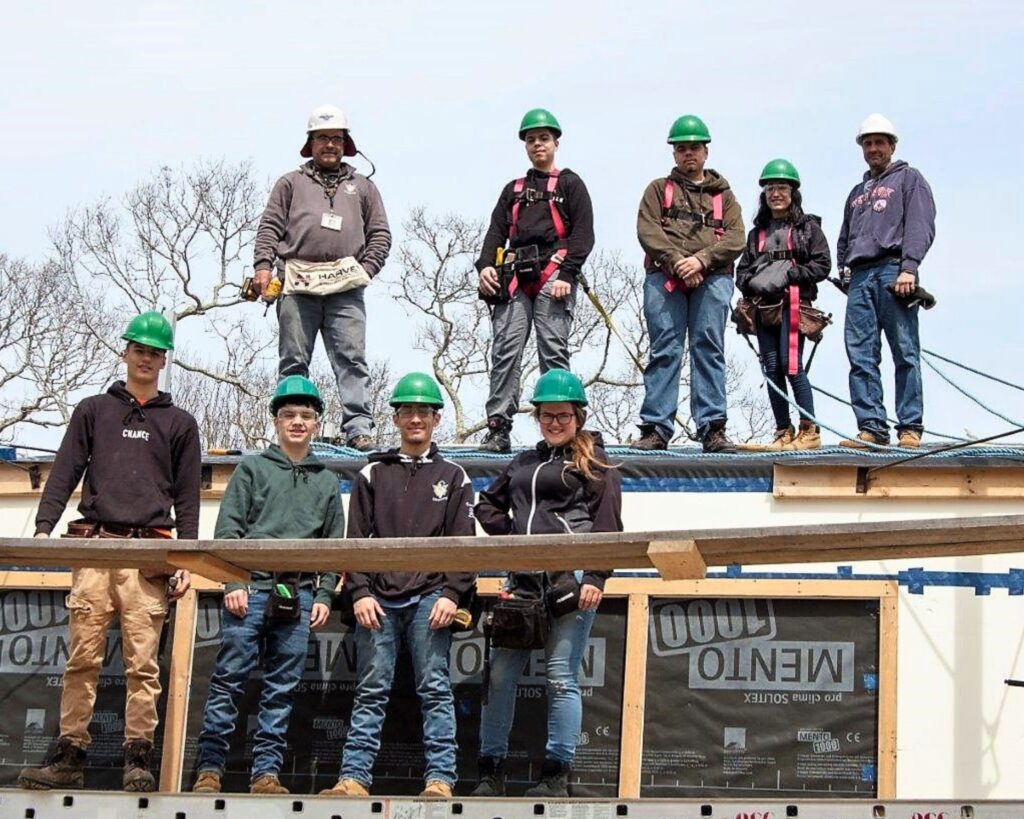
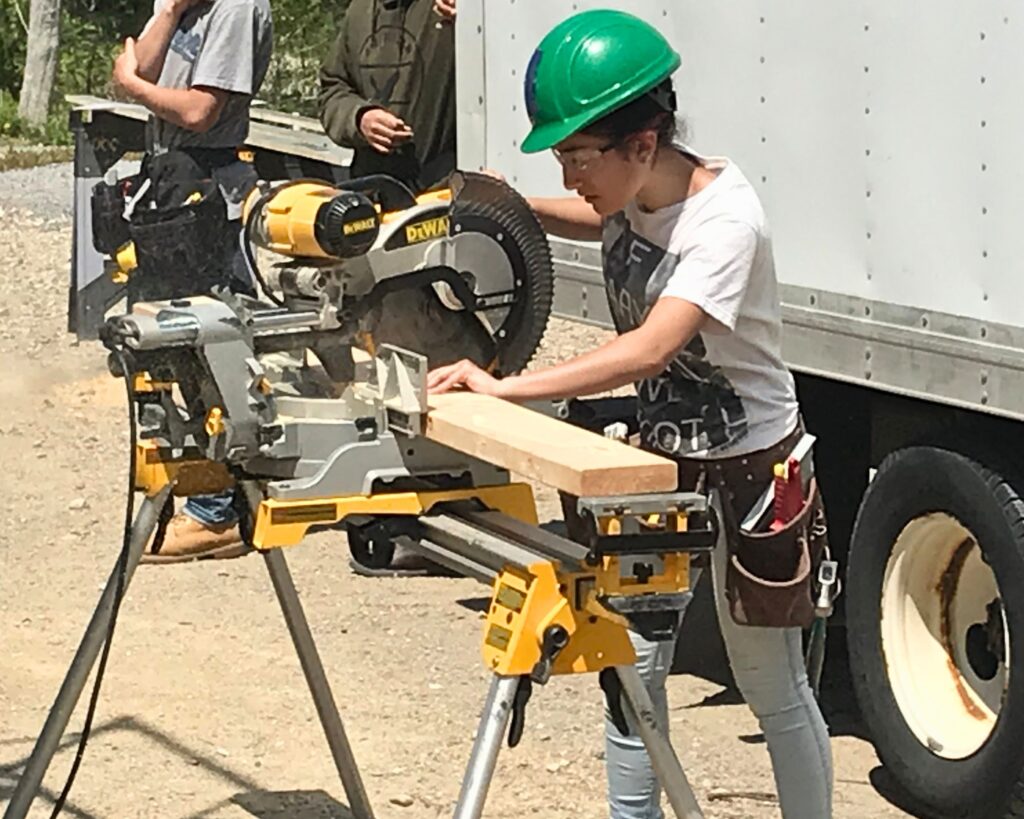
Students from Greater New Bedford Vocational Technical High School joined the project as active participants, gaining hands-on experience alongside skilled tradespeople. HVAC students fabricated ductwork. Electrical, plumbing, and carpentry students contributed work that would become part of the finished building. Instead of reading about sustainable construction practices, they experienced them firsthand, discovering how design goals become real decisions on an active jobsite.
Just as encouraging was who those students represented. The vocational program included an impressive number of young women preparing for careers in the skilled trades. On a project inspired by one of the world’s most ambitious building standards, they weren’t observing from the sidelines. They were helping build it.
The project continued to create opportunities throughout the community.
Eagle Scouts helped extend the project’s environmental story beyond the walls of the welcome center. Benches crafted from remnants of trees felled for building construction now provide visitors with places to pause and reflect along the trails, giving new purpose to materials already on site. They also constructed a dry stream bed that manages overflow from the building’s greywater system, helping irrigate the surrounding garden while illustrating how natural systems can work in harmony with the built environment.
Volunteers donated countless hours. Contractors generously shared their expertise. Community members followed the project’s progress, asked thoughtful questions, and became invested in its success.
With every new participant, the project reinforced the Lloyd Center’s mission in another way. The welcome center was steadily taking shape, but so was a community connected by curiosity, collaboration, and a shared commitment to the environment.
When a Building Becomes Part of the Mission
As the project progressed, so did its ambitions.
Each new challenge revealed another layer of complexity. Every carefully considered material or system led to another question that needed answering. There were moments when the project became far more demanding than anyone had imagined when the first conversation began.
Looking back, Liz Moniz reflects on that realization with a smile.
This is way bigger than we thought it was going to be.
She was right.
The Lloyd Center set out to build a welcome center. Instead, it created an experience that reached far beyond the finished building. Donors left with a deeper understanding of sustainable design. Students gained hands-on experience that will shape their careers. Volunteers, contractors, and community partners became educators in their own right, helping others understand why every decision mattered.
Long before the ribbon was cut, the welcome center had already fulfilled the mission it was designed to support.
It has shown that a capital project can do more than deliver a building. When a community is invited into the process, the work itself becomes an opportunity to educate, inspire, and strengthen the people who make it possible. That’s a lesson that extends well beyond the Lloyd Center—and one that other organizations can carry into their own projects.
In the end, the welcome center stands as more than a place where environmental education happens. It stands as proof that, when the process reflects the mission, every step of the journey has the power to advance it.
Afterword: A Community Effort
No project like this is ever the work of one person or one organization.
The Lloyd Center for the Environment Welcome Center came to life through years of collaboration among educators, students, volunteers, donors, tradespeople, manufacturers, consultants, and community partners who believed the process could be as meaningful as the finished building.
Special recognition goes to the leadership of Rachel L. Stronach and Liz Moniz, whose commitment carried the project from an ambitious vision to reality, and to architect Kathryn Duff of studio2sustain, whose introduction of the Living Building Challenge helped shape that vision from the beginning.
The partnership with Greater New Bedford Vocational Technical High School transformed the project into a remarkable educational experience. Over seven years, approximately 1,000 students contributed to the welcome center while learning the principles of high-performance, environmentally responsible construction. Under the leadership of External Projects Coordinators Robert Gomes, Steve Walker, and Jeffrey Wildrick, and department leaders Frank Gonsalves, Scott Thibault, Glen Morel, Keith Kearney, and Jeremy Carreiro, students gained hands-on experience that will influence projects far beyond the Lloyd Center.
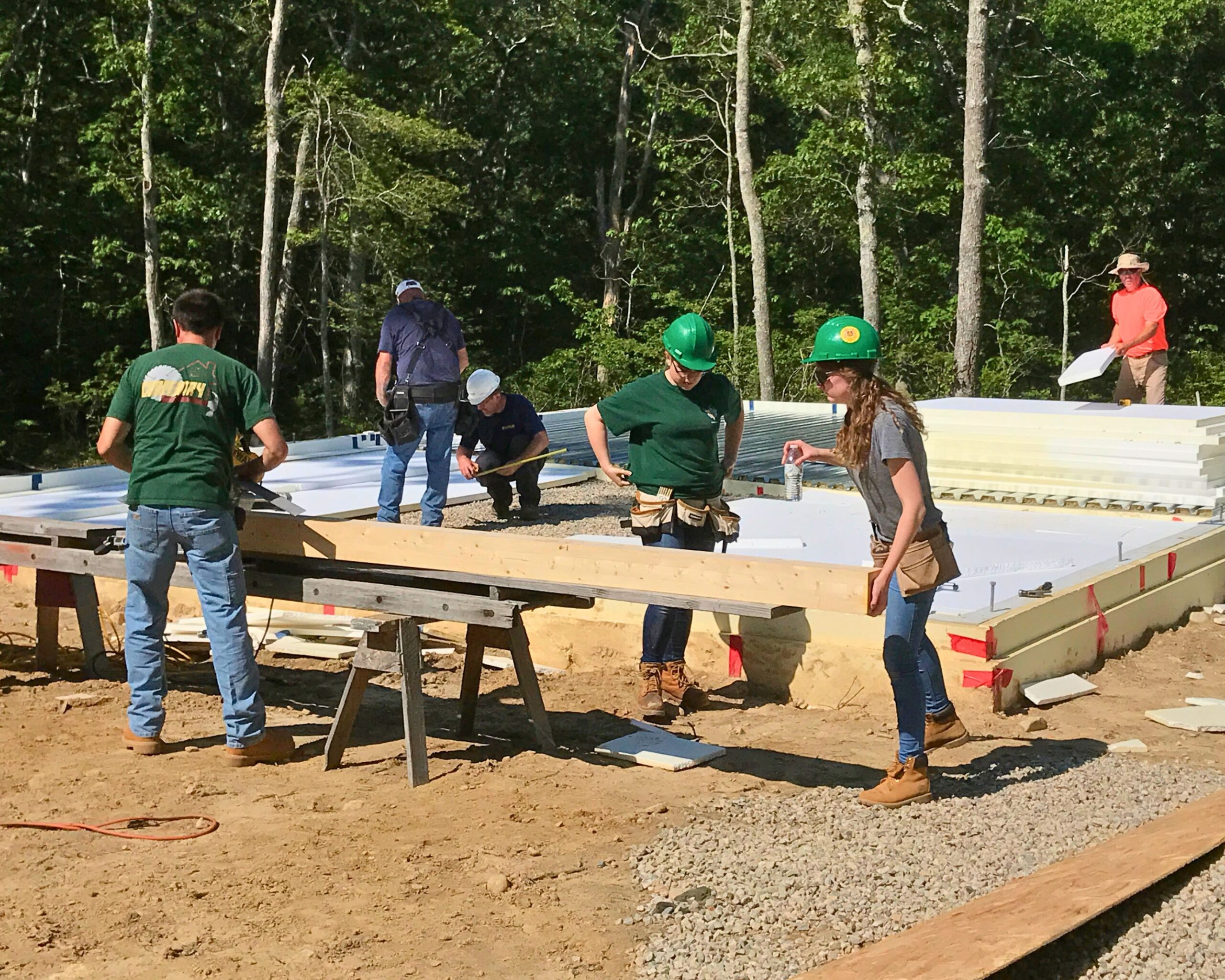
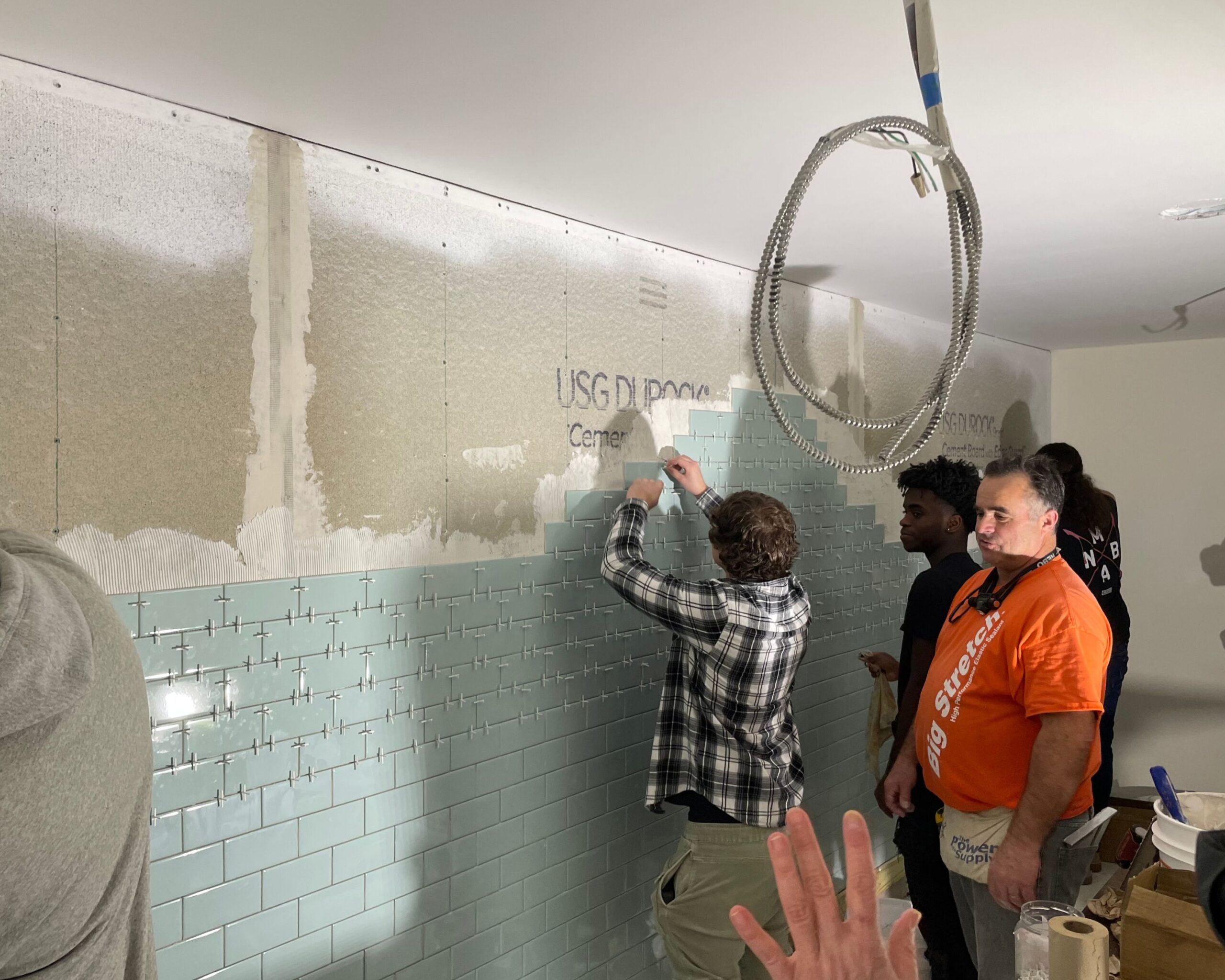
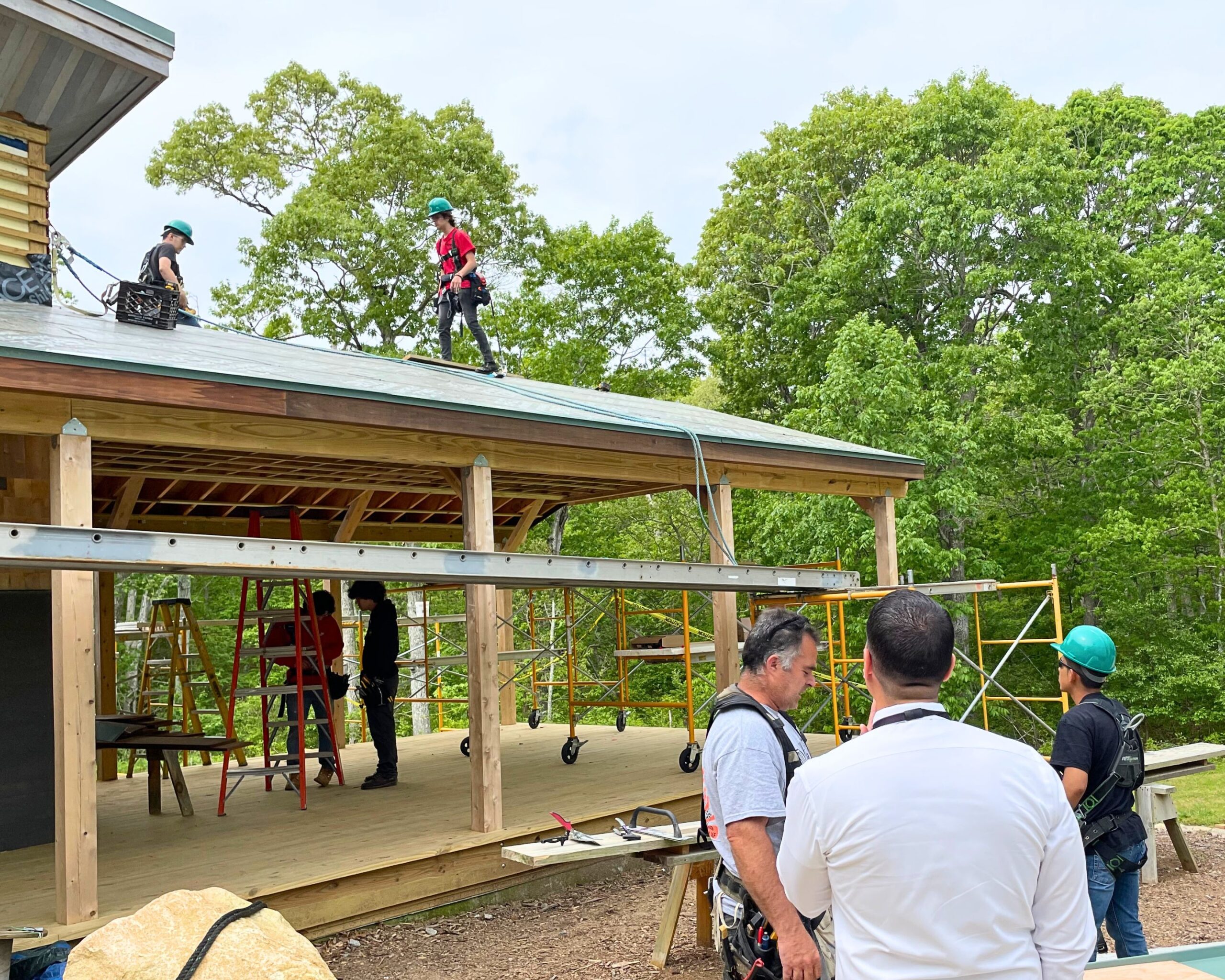
The project also benefited from the expertise of general contractor Armand Zussy, the continued support of Frank Gonsalves through his independent work to keep construction moving during the summer months, the dedication of Eagle Scouts and volunteers, and the many contractors and community members who generously shared their time and talents.
Materially Better was proud to support the project by providing access to Red2Green, helping project teams evaluate and communicate materials selections.
Every contribution mattered. Together, they demonstrated that when a community shares a vision, a building can become far more than the sum of its materials.
Margaret Kerswill is Communications & Marketing Manager for Materially Better, supporting the firm’s mission to advance healthy materials, informed decision-making, and continuous improvement across the built environment.
